
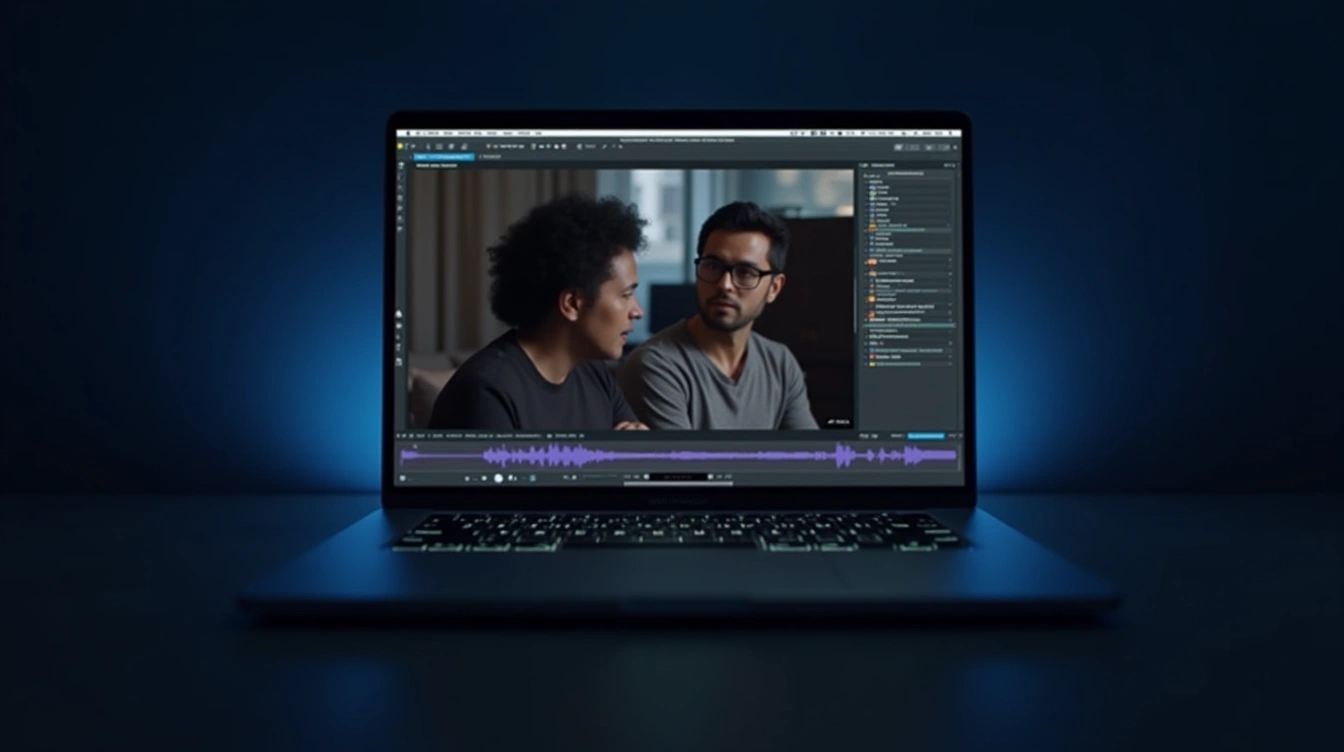
Ai video to text transcriber: transform videos into accurate transcripts
Video contentAI video to text transcriber turns speech in videos or audio into readable, searchable text, helping creators, educators, journalists, and businesses save time and reach wider audiences.
How does an AI video to text transcriber work?
These platforms combine speech recognition, natural language processing, and machine learning to analyze audio tracks and produce text. Users generally upload files and receive a transcript that captures words, timestamps, and speaker turns.
A lire aussi : How to use AI for real-time monitoring and optimization of renewable energy systems?
The automated process is far faster than manual typing and often includes features such as speaker identification and automatic formatting. This speed and convenience have changed workflows for anyone handling large volumes of multimedia. For those who want to streamline this task further, an AI video to text transcriber offers an efficient solution for generating transcripts from various video formats.
Which formats do these tools support?
Most services accept common video and audio files like MP4, MOV, AVI, MP3, and WAV. They also handle many codecs so recordings from phones, cameras, and conferencing tools can be processed without conversion.
Sujet a lire : What are the considerations for building a secure AI-driven chatbot for customer service?
Many platforms let users upload files in batches, which accelerates work on multiple interviews, episodes, or lecture series.
What about accuracy and multiple languages?
Accuracy depends on audio quality, but modern AI transcription models use context and pronunciation patterns to deliver high precision for clear recordings.
Advanced systems support dozens of languages and dialects, add punctuation, and distinguish speakers. They also improve over time by learning from real-world samples and user corrections.
Benefits of using ai-based audio and video transcription

Automated transcription saves hours of manual work and broadens access. Generated subtitles/captions help people who are deaf or hard of hearing and viewers in noisy settings or other countries.
Organizations gain better searchability, simpler compliance with accessibility rules, and more content to repurpose for social media and marketing.
- ⚡ Fast turnaround times for large projects
- 🌍 Multi-language support broadens reach
- ♿ Automatic subtitles/captions improve accessibility
- 🆓 Free plans available for basic needs
Is it possible to use these tools for free?
Many platforms offer free or freemium plans that let individuals upload files and test basic features without payment. These tiers are useful for short clips and trial projects.
Free plans often limit file size, monthly minutes, or features. Upgrading unlocks extended duration, priority processing, and advanced accuracy tools for professional use.
| 🔗 Feature | ✨ Free Tier | 💼 Paid Plans |
|---|---|---|
| Upload files | ✅ Limited size | ✅ Unlimited |
| Convert video/audio | 🎥 Short duration | 🎬 Long format |
| Accuracy | 👍 Standard | 🔝 Enhanced |
| Multiple languages | 🌎 Basic selection | 🗺️ Full library |
| Speed | 🚀 Instant | ⚡ Priority |
Industry examples: who uses video to text transcription?
Media companies use transcription for subtitling, closed captioning, and archiving. Educational institutions convert lectures into study material and searchable notes.
Legal and medical teams rely on fast transcripts for documentation, and marketing teams repurpose audio and video into articles, social posts, and reports to boost visibility.
- 🎙️ Journalists turning interviews into publishable quotes
- 📺 Video producers adding automatic captions/subtitles for streaming
- 🏫 Teachers converting class recordings into review notes
- 📊 Businesses analyzing meetings for insights
Tips for achieving the best results with ai transcription
Start with clear audio and minimal background noise. Use proper microphones and ask speakers to enunciate. These simple steps improve the accuracy of transcriptions.
After automatic transcription, review and correct names, acronyms, and technical terms. Use platform features to upload glossaries or to edit transcripts with timestamps and speaker labels.
Common questions on AI video to text transcription
Below are concise answers to frequent concerns when choosing a video to text solution.
How accurate is AI-powered video to text transcription?
Modern AI systems can reach very high accuracy, often over 95% for clear recordings. Factors such as background noise and overlapping voices can lower precision.
To improve results, provide clean audio and use tools that allow manual corrections and custom vocabularies.
- 🔊 Clear sound boosts precision
- 🌐 Multiple language handling supports better comprehension
Can I convert long videos or audios with free transcription tools?
Free plans usually limit the duration or number of uploads per month. Some providers offer pay-as-you-go options for larger projects.
For extensive or recurring work, compare limits and consider a paid plan to avoid interruptions and gain faster processing.
- 🆓 Free: Shorter clips supported
- 💳 Paid: Extended length and bulk processing
| ⏱️ Plan | Max Duration |
|---|---|
| Free | 15–30 min/video |
| Paid | Up to several hours |
Do AI video to text transcribers support multiple languages and subtitles?
Many advanced platforms offer dozens of languages and dialects and can generate subtitle or caption files like SRT and VTT.
These features help reach international audiences and meet accessibility standards across regions.
- 🌍 Dozens of languages offered
- 🎞️ Subtitle/caption file downloads (SRT, VTT)
What types of files can I upload for transcription?
Common video formats such as MP4, MOV, and AVI and audio formats like MP3 and WAV are widely supported.
Larger platforms often accept additional codecs to fit diverse recording setups and professional workflows.
- 🎥 Video formats: MP4, AVI, MOV
- 🎧 Audio formats: MP3, WAV
In short, AI video to text transcribers speed up content workflows, improve accessibility, and broaden audience reach. Test a freemium option, check format and length limits, and adopt simple recording practices to get the best results.